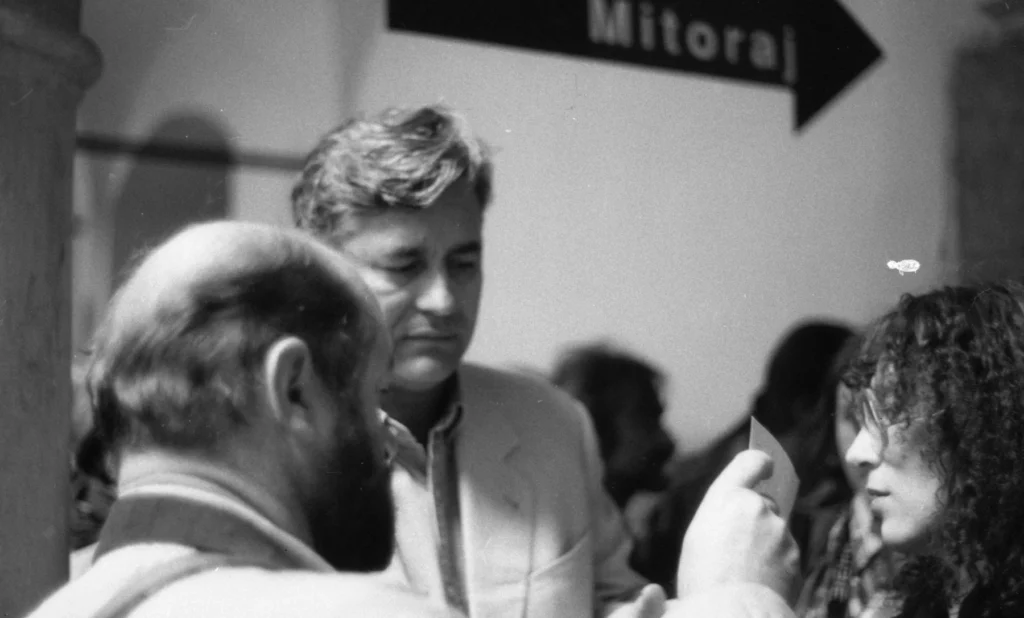
Igor Mitoraj’s first foreign stop was Paris. A French writer, wanting to help a young, talented artist from behind the Iron Curtain, rented him a modest room in the elegant district where she lived. She adopted him, which allowed him to obtain a French passport and he became known as Mitoraj – Gaillot. It was here that he also changed his first name from Jerzy to Igor.
In 1969, he began his studies at the National Academy of Fine Arts in Paris, initially simply listening to lectures. A year later, he took up full-time studies. During this time, he led a life typical of an émigré artist-student. In order to earn a living, he took on various jobs: he was a model, cabaret performer, extra in films, bartender and even a porter, all the while creating art.
After eight years in the French capital, a prestigious Parisian gallery organised his solo exhibition, which proved to be a success, improving his material status and position in the community. He began to receive further offers for exhibitions, and the list of those willing to buy his works grew. Two years later, one of the most important galleries in Paris at the time, Artcurial, began cooperating with him. Mitoraj was gradually becoming an artist of international renown. Travelling exhibitions of his work were held not only throughout France but also many European cities, such as Rome, Milan, Agrigento, London or Bamberg. Later, they also made their way to China and the United States.
In 1985, he moved permanently to the Italian town of Pietrasanta. It was not only the charm of Tuscany to which the artist succumbed that prompted this decision. Pietrasanta was, above all, the Italian capital of marble, where many of the craft workshops and foundries essential to his work were located.
In Poland, Igor Mitoraj’s work only began to make its presence felt after the fall of communism. His sculptures began to appear in Poznań, Warsaw and Krakow among other places. The largest exhibition of sculptures and drawings was opened in Kraków in 2003 which Aleksander Kwaśniewski, President of the Republic of Poland at the time, attended. In the same year, the artist received an honorary doctorate from the Academy of Fine Arts in Krakow.
He died in Chateau de Confoux in France on 6th October 2014 and was buried in Pietrasanta.
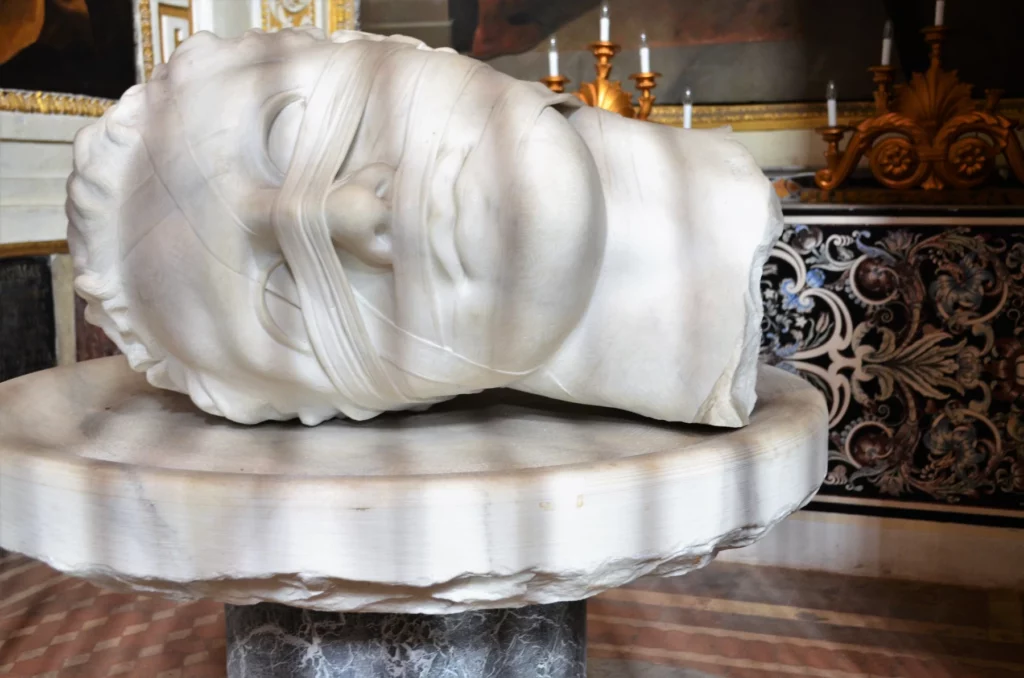
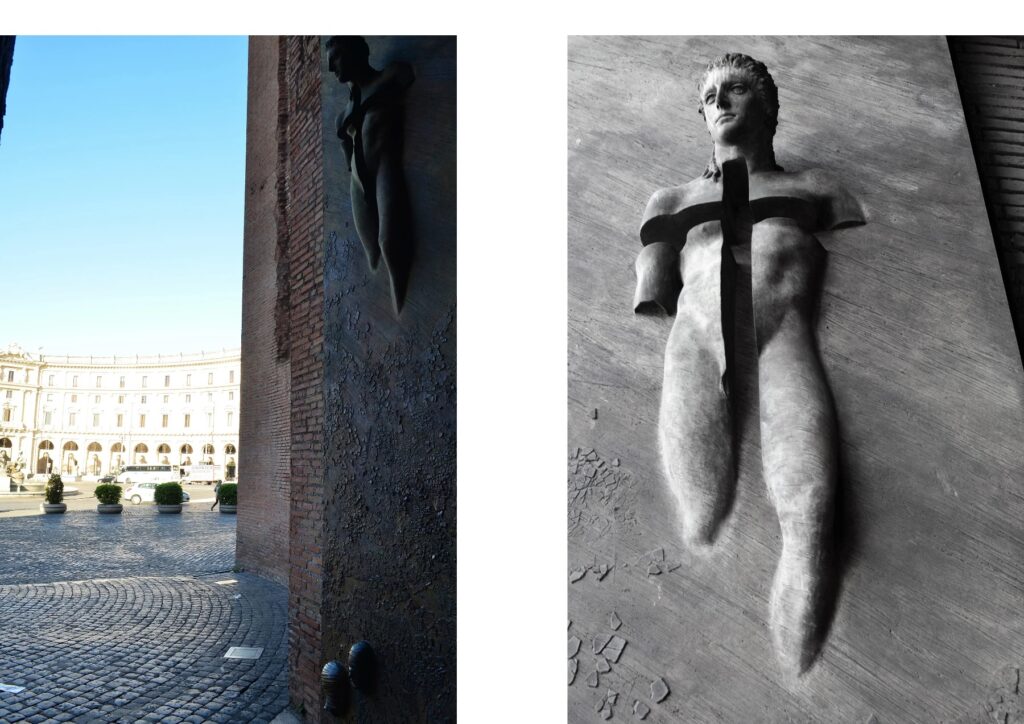
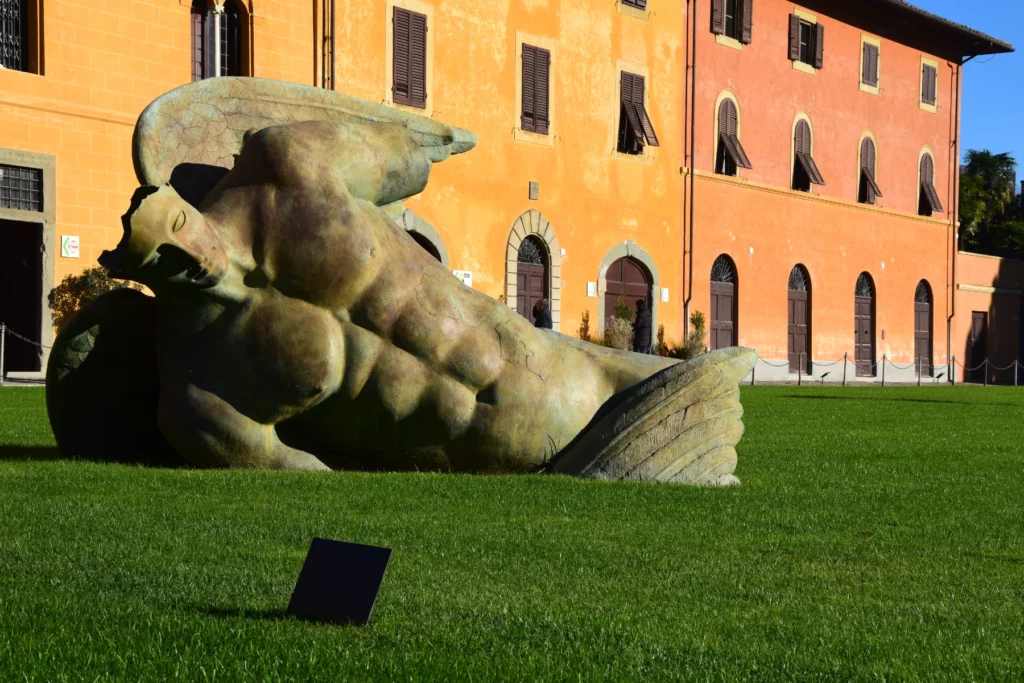
The Remembrance Museum of Land of Oświęcim Residents’ Collection / Miłosz Cieżak.