
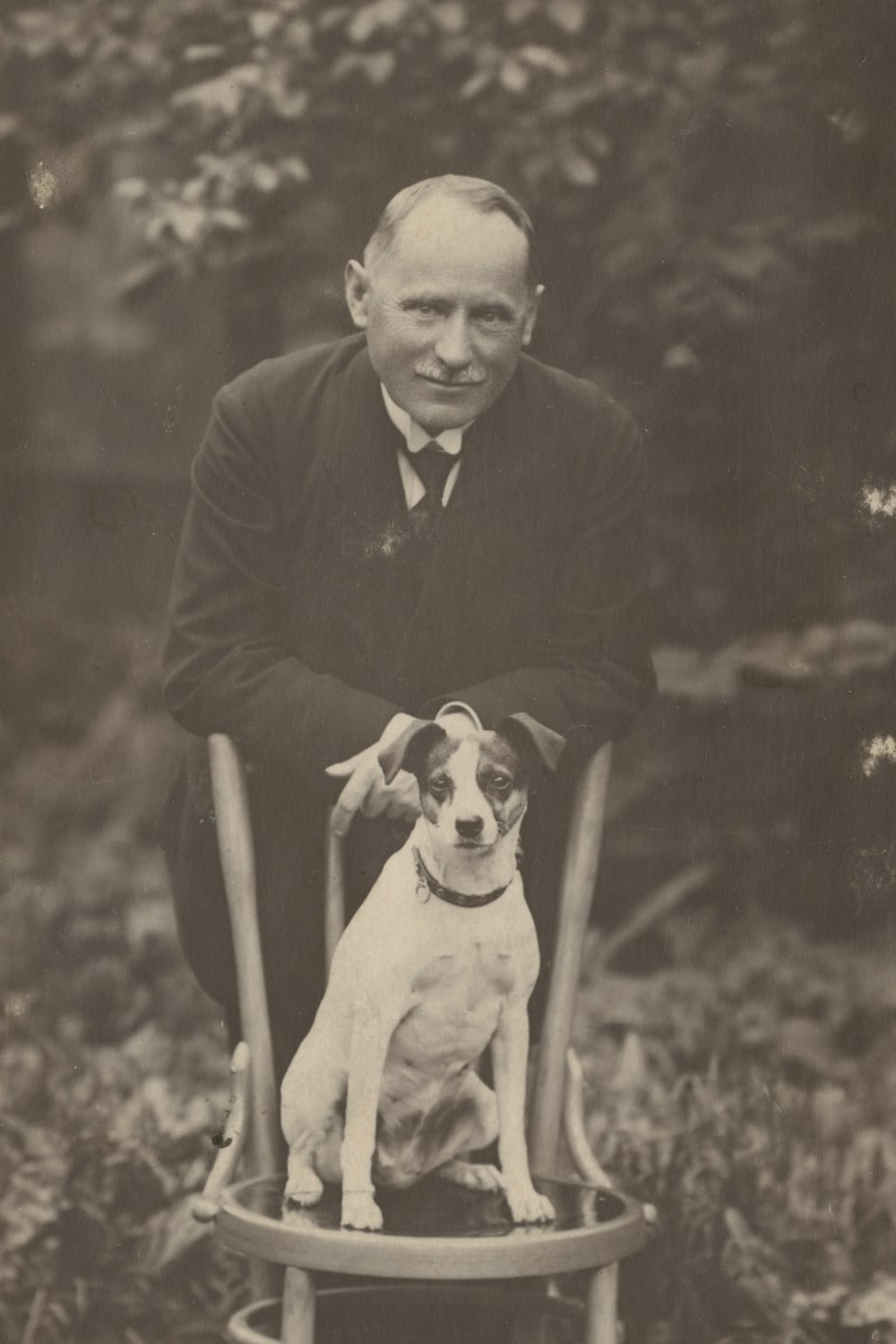
Władysław Dziewoński was born in 1872 in Dziekanowice near Wieliczka. A doctor and social worker working and acting in Kety, where he settled, most probably in 1899, after finishing his studies at the Jagiellonian University.
In 1901, he co-founded the Kęty branch of „Sokół”. In the times of the Second Republic of Poland he was mayor and a town councillor. He lectured at the female teachers’ seminary in Kęty. He taught a women’s „Samaritan team” the rules of first aid.
During the September campaign of 1939, he ran an ad hoc hospital in a town building, where the wounded were cared for during battles.
During the German occupation, thanks to his Krakow contacts, he organised medicine for KL Auschwitz prisoners issuing prescriptions so that the medication could reach the inmates. He also helped people involved in the resistance movement prescribing them sick leave which gave them greater freedom of movement, something of considerable importance to underground activity.
He and other doctors formed a group that provided medical care to soldiers of the „Sosienki” Home Army unit. Among other things, together with Tadeusz Chowaniec, he took care of Captain Jan Wawrzyczek, unit commander, when he was wounded in a skirmish with the Germans just before the Red Army entered.
Władysław Dziewoński died in 1946 and is buried in the cemetery in Kęty.
Photograph: Collection of the Aleksander Kłosiński Museum in Kęty